By Annanya Shetty, PhD
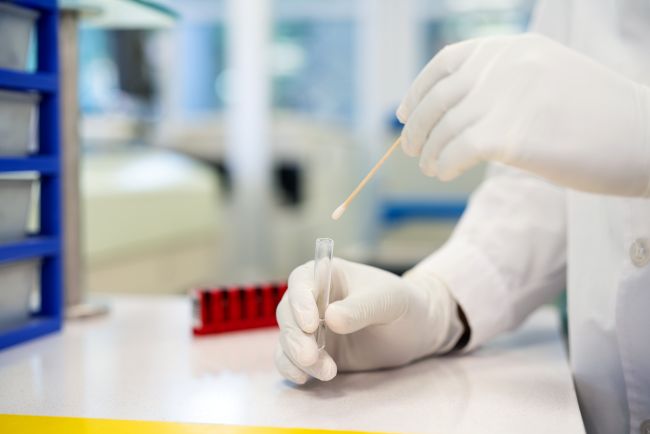
This course examines the strategic use of molecular point-of-care (POC) testing for respiratory infections. It explores the advantages of molecular POC tests compared with traditional rapid antigen tests, key factors in selecting and implementing POC platforms, and the hub-and-spoke testing model. The course also highlights how combining POC and laboratory-based testing can support diagnostic stewardship, improve turnaround times, reduce unnecessary testing, and enhance clinical decision-making.
LEARNING OBJECTIVES
Upon completion of this article, the reader will be able to:
- Identify the key differences between traditional rapid antigen tests and molecular point-of-care (POC) tests, including their relative sensitivity and specificity.
- Describe the components and functions of the hub-and-spoke model for respiratory testing within a healthcare system.
- Evaluate the factors that influence the selection and implementation of molecular POC testing platforms, including turnaround time, connectivity, and portability.
- Analyze how molecular POC testing and laboratory-based testing support diagnostic stewardship by reducing unnecessary testing and improving clinical decision-making.

About the Presenter
Annanya Shetty, PhD is a translational medicine specialist with over a decade of experience in infectious diseases and diagnostics. She holds a PhD in Medicine from the National University of Singapore and has held global product leadership roles at Abbott and now Diasorin,
where she integrates clinical research with the development of decentralized molecular diagnostics. A published scholar, Dr. Shetty is passionate about delivering impactful healthcare solutions and improving access to care.

Course Includes
- 1 Lesson
- 1 Test
- Course Certificate

Medical Laboratory Observer (MLO) is approved as a provider of continuing education programs in the clinical laboratory sciences by the ASCLS P.A.C.E. ® Program.
Level of Instruction: Intermediate
Passing scores of 70 percent or higher are eligible for 1 contact hour of P.A.C.E. credit. This test is no longer valid for CEs after September 2027.