
By Abdullah Kilic, MD, D(ABMM); Jacinda (JAM) Abdul-Mutakabbir PharmD, MPH; Dusten T. Rose, PharmD, BCIDP
This continuing education article explores how improving outpatient antimicrobial stewardship (AMS) and expanding access to rapid diagnostic testing can help combat antimicrobial resistance (AMR) and reduce health inequities. With a substantial portion of antibiotics prescribed in ambulatory settings—and many considered unnecessary—the authors highlight gaps in oversight and access that contribute to resistant infections. Guided by the Centers for Disease Control and Prevention Core Elements of Outpatient Stewardship, the article examines the role of rapid antigen and molecular point-of-care tests in improving diagnostic accuracy, supporting appropriate prescribing, and advancing equitable, community-based strategies to strengthen population health outcomes.
LEARNING OBJECTIVES
Upon completion of this article, the reader will be able to:
- Discuss how gaps in outpatient antimicrobial stewardship (AMS) have contributed to antimicrobial resistance and health inequities.
- List and describe the various tests used in rapid detection of antimicrobial infections and the benefits of diagnostic advancements in the outpatient space.
- Discuss potential gaps in the use of rapid diagnostics tests in outpatient settings.
- Describe equitable strategies and solutions that can be integrated for successful AMS efforts in outpatient settings.
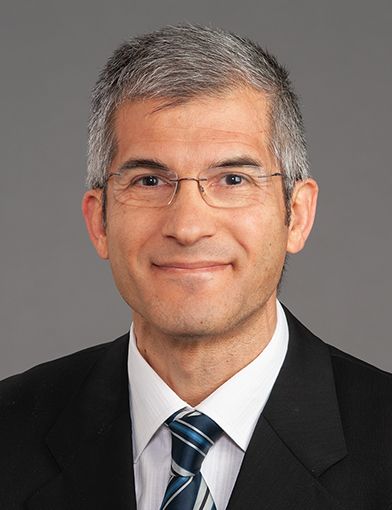
Abdullah Kilic, MD, D(ABMM) is an Assistant Professor in Clinical Microbiology at Wake Forest School of Medicine. He is board-certified by the American Board of Medical Microbiology and has extensive experience in antimicrobial resistance, rapid diagnostics, and molecular microbiology. His research focuses on improving diagnostic accuracy and antimicrobial stewardship through advanced laboratory methods.

Jacinda (JAM) Abdul-Mutakabbir PharmD, MPH is an Associate Professor of Clinical Pharmacy at UC San Diego whose research focuses on antimicrobial resistance, stewardship, and health disparities in infectious diseases. She has published more than 70 peer-reviewed articles and has received numerous national and international honors, including awards from IDidSA, ACCP, Sidp, ESCmid, and the U.S. Public Health Service. She currently serves as an editor for Clinical Microbiology Reviews and is an active member of ACCP, ASM, IDidSA, and SHEA.

Dusten T. Rose, PharmD, BCIDP is a Medical Science Liaison in U.S. Medical Affairs at bioMérieux. He is a board-certified infectious diseases pharmacist with nearly 15 years of inpatient clinical experience. His interests include antimicrobial stewardship, clinical impact of emerging diagnostics, and antimicrobial resistance.

Course Includes
- 1 Lesson
- 1 Test
- Course Certificate

MLO and Northern Illinois University (NIU), DeKalb, IL, are co-sponsors in offering continuing education units (CEUs) for this issue’s CE article. CEUs or contact hours are granted by the College of Health and Human Sciences at Northern Illinois University, which has been approved as a provider of continuing education programs in the clinical laboratory sciences by the ASCLS P.A.C.E.® program. Continuing education credits awarded for successful completion of this test are acceptable for the ASCP Board of Registry Continuing Competence Recognition Program. Readers who pass the test successfully (scoring 70% or higher) will receive a certificate for 1 contact hour of P.A.C.E.® credit. The fee for this continuing education test is $20. This test was prepared by Amanda Voelker, MPH, MT(ASCP), MLS, Clinical Education Coordinator, School of Health Studies, Northern Illinois University, DeKalb, IL.
Level of Instruction: Intermediate
Passing scores of 70 percent or higher are eligible for 1 contact hour of P.A.C.E. credit. This test is no longer valid for CEUs after March 2027.

NIU is approved as a provider of continuing education programs in the clinical laboratory sciences by the ASCLS P.A.C.E. ® Program.