
 Test smarter, not harder: Boosting quality and reducing avoidable costs through laboratory stewardship
  Beyond the bench: How artificial intelligence is redefining respiratory pathogen diagnostics in the clinical laboratory
  Evolving paradigms in diabetes diagnosis and classification
  Cancer biomarker types and clinical applications
  Advancements in techniques and technologies in oncology
  Why we should all care that "Everything is Tuberculosis," and what we can do about it
  Better testing strategies are needed for congenital CMV
  Emerging uses of handheld blood gas analyzers
  New approaches for cost-effective universal cCMV testing
  Outpatient diagnostics, antimicrobial stewardship, and health equity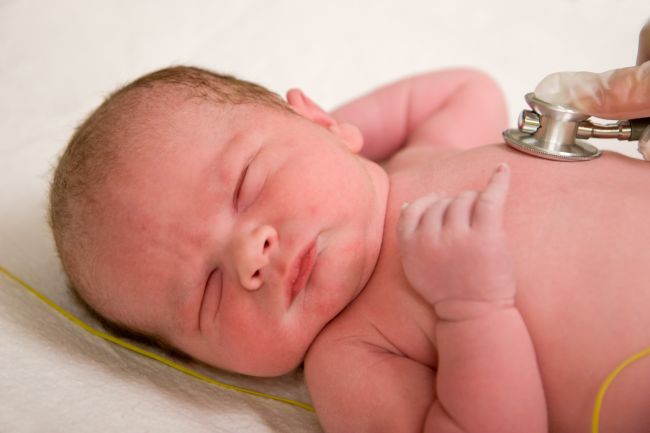
By Ayaz Majid, PhD
This article explores emerging strategies for cost-effective universal screening of congenital cytomegalovirus (cCMV), a leading non-genetic cause of childhood hearing loss and neurodevelopmental disability. Readers will review early-life detection within the critical 21-day window, recommended specimen types—including saliva, urine, and dried blood spots—and the strengths and limitations of each. The article highlights the clinical advantages of PCR-based molecular testing and examines how sample pooling can expand access while reducing costs. Legislative momentum and evolving laboratory workflows are also discussed, underscoring practical pathways to broader, high-confidence newborn cCMV screening and earlier intervention.
LEARNING OBJECTIVES
Upon completion of this article, the reader will be able to:
- Discuss cCMV sequale and how to detect the virus in the early stages of life.
- List the various sample types for for cCMV identification and specimen of choice for screening and confirmatory testing.
- Describe the benefits of using PCR testing and sample pooling in the detection of cCMV.
- List testing methods to identify cCMV and discuss the limitations of each.
Ayaz Majid, PhD is Director, Product Management at Diasorin. With extensive expertise in molecular diagnostics, he is passionate about advancing meaningful solutions that improve patient healthcare.
Course Includes
- 1 Lesson
- 1 Test
- Course Certificate

MLO and Northern Illinois University (NIU), DeKalb, IL, are co-sponsors in offering continuing education units (CEUs) for this issue’s CE article. CEUs or contact hours are granted by the College of Health and Human Sciences at Northern Illinois University, which has been approved as a provider of continuing education programs in the clinical laboratory sciences by the ASCLS P.A.C.E.® program. Continuing education credits awarded for successful completion of this test are acceptable for the ASCP Board of Registry Continuing Competence Recognition Program. Readers who pass the test successfully (scoring 70% or higher) will receive a certificate for 1 contact hour of P.A.C.E.® credit. The fee for this continuing education test is $20. This test was prepared by Amanda Voelker, MPH, MT(ASCP), MLS, Clinical Education Coordinator, School of Health Studies, Northern Illinois University, DeKalb, IL.
Level of Instruction: Intermediate
Passing scores of 70 percent or higher are eligible for 1 contact hour of P.A.C.E. credit. This test is no longer valid for CEUs after February 2027.

NIU is approved as a provider of continuing education programs in the clinical laboratory sciences by the ASCLS P.A.C.E. ® Program.