
 Test smarter, not harder: Boosting quality and reducing avoidable costs through laboratory stewardship
  Beyond the bench: How artificial intelligence is redefining respiratory pathogen diagnostics in the clinical laboratory
  Evolving paradigms in diabetes diagnosis and classification
  Cancer biomarker types and clinical applications
  Advancements in techniques and technologies in oncology
  Why we should all care that "Everything is Tuberculosis," and what we can do about it
  Better testing strategies are needed for congenital CMV
  Emerging uses of handheld blood gas analyzers
  New approaches for cost-effective universal cCMV testing
  Outpatient diagnostics, antimicrobial stewardship, and health equity
By Stephen Bishop, MBA, MS, CLS, MLS(ASCP)CM, CPHQ
This article explores the evolution of respiratory pathogen diagnostics and the transformative role of artificial intelligence (AI) in the clinical laboratory. From early microscopy and culture techniques to PCR advancements during the Influenza A (H1N1) and COVID-19 pandemics, diagnostic methods have steadily advanced in speed and accuracy. The article examines the benefits and limitations of antigen and molecular testing before introducing AI subsets—including machine learning, deep learning, and natural language processing—and their applications in assay optimization, result interpretation, and clinical decision support. Emphasis is placed on improving turnaround times, diagnostic stewardship, and proactive patient care through AI integration.
LEARNING OBJECTIVES
Upon completion of this article, the reader will be able to:
- Discuss the utility for the advancement of respiratory pathogen diagnosis.
- Discuss timelines of respiratory illnesses and the development of laboratory testing with each.
- Define the limitations of antigen testing in the identification of respiratory pathogens.
- Describe the different subsets of AI and each of their purposes in the use of respiratory pathogens identification.
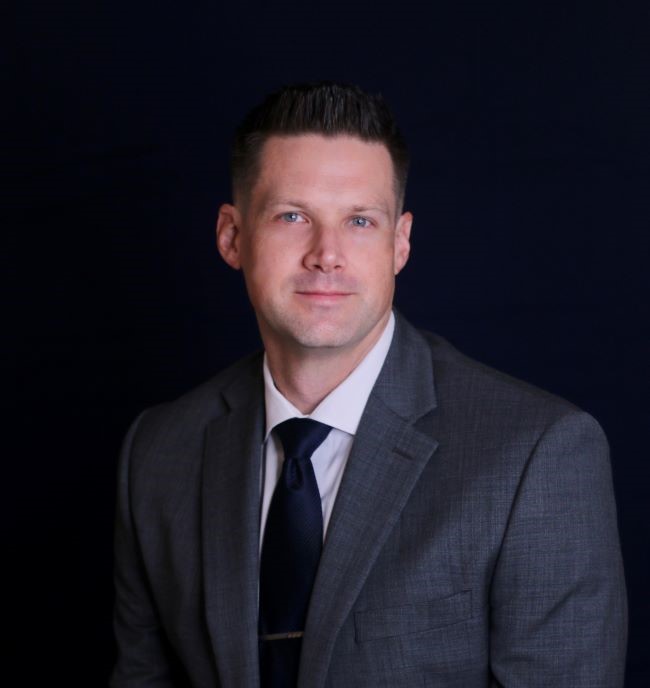
Stephen Bishop, MBA, MS, CLS, MLS(ASCP)CM, CPHQ is currently the Market Director of Laboratory Services at CommonSpirit Health, Southern California. Stephen is passionate about healthcare leadership, clinical laboratory education, and process improvement.
Course Includes
- 1 Lesson
- 1 Test
- Course Certificate

MLO and Northern Illinois University (NIU), DeKalb, IL, are co-sponsors in offering continuing education units (CEUs) for this issue’s CE article. CEUs or contact hours are granted by the College of Health and Human Sciences at Northern Illinois University, which has been approved as a provider of continuing education programs in the clinical laboratory sciences by the ASCLS P.A.C.E.® program. Continuing education credits awarded for successful completion of this test are acceptable for the ASCP Board of Registry Continuing Competence Recognition Program. Readers who pass the test successfully (scoring 70% or higher) will receive a certificate for 1 contact hour of P.A.C.E.® credit. The fee for this continuing education test is $20. This test was prepared by Amanda Voelker, MPH, MT(ASCP), MLS, Clinical Education Coordinator, School of Health Studies, Northern Illinois University, DeKalb, IL.
Level of Instruction: Intermediate
Passing scores of 70 percent or higher are eligible for 1 contact hour of P.A.C.E. credit. This test is no longer valid for CEUs after September 2026.

NIU is approved as a provider of continuing education programs in the clinical laboratory sciences by the ASCLS P.A.C.E. ® Program.