
 Test smarter, not harder: Boosting quality and reducing avoidable costs through laboratory stewardship
  Beyond the bench: How artificial intelligence is redefining respiratory pathogen diagnostics in the clinical laboratory
  Evolving paradigms in diabetes diagnosis and classification
  Cancer biomarker types and clinical applications
  Advancements in techniques and technologies in oncology
  Why we should all care that "Everything is Tuberculosis," and what we can do about it
  Better testing strategies are needed for congenital CMV
  Emerging uses of handheld blood gas analyzers
  New approaches for cost-effective universal cCMV testing
  Outpatient diagnostics, antimicrobial stewardship, and health equity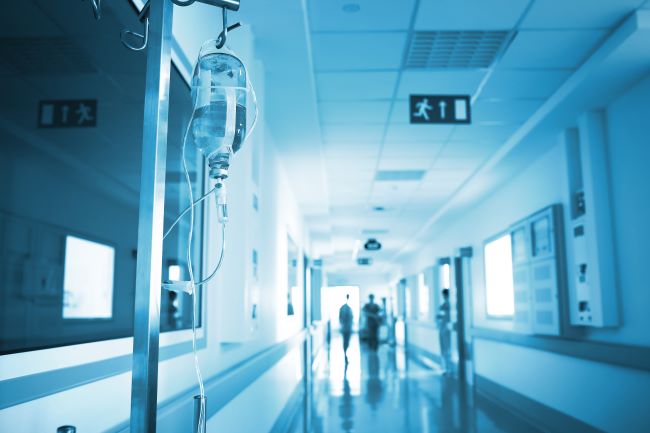
By Robert F. Moran, PhD, FCCM, FIUPAC; Maria Paulina Posada-Vergara, MD, MSc
This article explores the indispensable role of laboratorians in emergency and trauma settings. Through real-world cases and practical guidance, the authors emphasize collaboration across clinical teams, thoughtful development of critical versus urgent test menus, and continuous readiness for instrument failure, surge events, and disasters. The article also reviews essential homeostatic testing—blood gases, electrolytes, metabolic markers, CO-oximetry, and transfusion support—while highlighting infectious disease advances and backup strategies. Ultimately, it underscores resilience, interdisciplinary communication, and proactive planning as foundational to safe, effective critical care laboratory practice.
LEARNING OBJECTIVES
Upon completion of this article, the reader will be able to:
- List those involved in shared understanding and implementation of caring for those in critical care areas.
- Discuss the characteristics of the critical care patient and the proper planning of the laboratory environment in nonideal situations.
- Differentiate critical homeostatic laboratory testing required for the care of critical patients.
- Discuss back-up laboratory testing for critical care patients in unsuitable environments, such as surge situations or environmental tragedies.
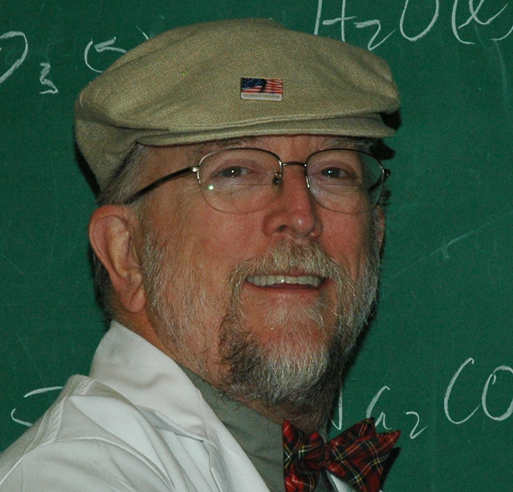
Robert F. Moran, PhD, FCCM, FIUPAC is the Principal Scientist at mviSciences, a consulting and educational services organization and President of AccuTest Proficiency Testing Services. Dr. Moran served multiple terms on the NCCLS (Now CLSI ) Board of Directors and was an active participant or chairholder in several of their blood gas and electrolyte standards-writing teams. Also active in clinical chemistry internationally, he is an appointed Fellow of the International Union of Pure and Applied Chemistry (FIU PAC). He is a retired professor of chemistry and physics from Wentworth Institute of Technology but
remains active in consulting work and writing.
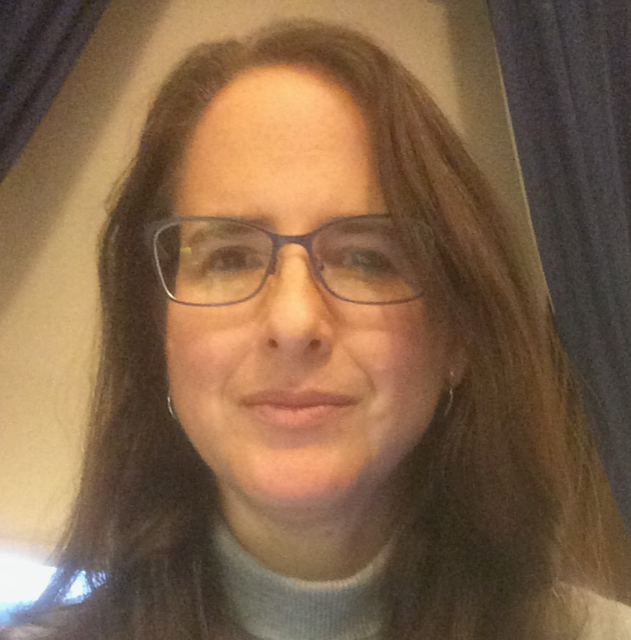
Maria Paulina Posada-Vergara, MD, MSc received her medical degree from the National University of Colombia and her MSc from the University of Sao Paulo, SP, Brazil. She is an Infectious Diseases Fellow from Instituto de Infectologia Emilio Ribas, Sao Paulo, Brazil. Her more than 25 years of clinical practice have included health provider training and service implementations in urban and remote settings. Dr. Posada-Vergara’s extensive expertise in delivering healthcare in low-income settings across Africa and Latin America has focused on HIV/AIDS, hepatitis, tuberculosis, STI s, and tropical diseases.
Course Includes
- 1 Lesson
- 1 Test
- Course Certificate

MLO and Northern Illinois University (NIU), DeKalb, IL, are co-sponsors in offering continuing education units (CEUs) for this issue’s CE article. CEUs or contact hours are granted by the College of Health and Human Sciences at Northern Illinois University, which has been approved as a provider of continuing education programs in the clinical laboratory sciences by the ASCLS P.A.C.E.® program. Continuing education credits awarded for successful completion of this test are acceptable for the ASCP Board of Registry Continuing Competence Recognition Program. Readers who pass the test successfully (scoring 70% or higher) will receive a certificate for 1 contact hour of P.A.C.E.® credit. The fee for this continuing education test is $20. This test was prepared by Amanda Voelker, MPH, MT(ASCP), MLS, Clinical Education Coordinator, School of Health Studies, Northern Illinois University, DeKalb, IL.
Level of Instruction: Intermediate
Passing scores of 70 percent or higher are eligible for 1 contact hour of P.A.C.E. credit. This test is no longer valid for CEUs after May 2026.

NIU is approved as a provider of continuing education programs in the clinical laboratory sciences by the ASCLS P.A.C.E. ® Program.