By Anna Loh, MD; Shalini Verma, MD, FCAP
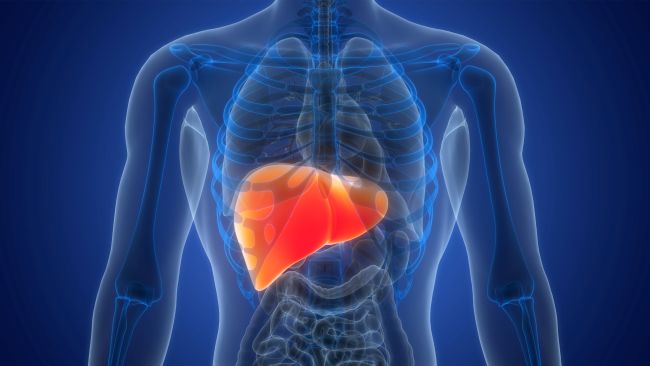
This article explores the growing recognition of type 2 diabetes as a multisystem cardiometabolic disease, with a focus on the often-overlooked burden of metabolic dysfunction–associated steatotic liver disease (MASLD). It examines the relationship between diabetes, metabolic syndrome, and liver fibrosis while highlighting the importance of early detection through non-invasive testing. The article also discusses evolving clinical guidelines and the expanding role of clinical laboratories in supporting fibrosis risk assessment, population health strategies, and integrated diabetes care.
LEARNING OBJECTIVES
Upon completion of this article, the reader will be able to:
- Describe the relationship between type 2 diabetes mellitus (T2DM), metabolic syndrome, and metabolic dysfunction–associated steatotic liver disease (MASLD).
- Identify the major clinical complications and risk factors associated with advanced liver fibrosis in patients with T2DM.
- Compare the characteristics, advantages, and limitations of commonly used non-invasive fibrosis assessment tools, including FIB-4, ELF, VCTE, and MRE.
- Evaluate the role of the clinical laboratory in fibrosis risk stratification, guideline-supported testing workflows, and population-based diabetes care management.

About the Presenters
Anna Loh, MD serves as a field medical liaison for hepatology with Siemens Healthineers. She is a general physician with 14 years of experience treating
patients for a variety of conditions and is certified in the
UK, New Zealand, and Australia.

Shalini Verma, MD, FCAP serves as a medical officer with Siemens Healthineers. She also is a diplomate of the American Board of Pathology with active board certifications in molecular genetics pathology, hematopathology and anatomic & clinical pathology.
Course Includes
- 1 Lesson
- 1 Test
- Course Certificate

Medical Laboratory Observer (MLO) is approved as a provider of continuing education programs in the clinical laboratory sciences by the ASCLS P.A.C.E. ® Program.
Level of Instruction: Intermediate
Passing scores of 70 percent or higher are eligible for 1 contact hour of P.A.C.E. credit. This test is no longer valid for CEs after July 2027.