
Live Webinar | May 19, 2026
Modernizing STI Surveillance and Diagnostics: Laboratory-Driven Strategies for a Changing Public Health Landscape
Explore the latest advancements in STI diagnostics, emerging clinical guidelines, and the critical role of laboratories in improving detection, patient care, and public health outcomes. (1 credit)
- Tuesday, May 19, 2026
- 1:00 PM EST / 12:00 PM CST
- 1 hour
- 1 credit
- Supported by Danaher & Beckman Coulter
- Free
Summary
Rising rates of sexually transmitted infections (STIs), including the alarming resurgence of syphilis, underscore the critical role of laboratories and laboratory testing in the early detection and surveillance of STIs in an ever-changing landscape. This PACE accredited webinar will examine how serologic and antigen-based assays, advances in diagnostic technology, and updated clinical guidelines enable timely detection and identification of STIs across diverse patient populations, informing both individual patient care and broader public health strategy.
Dr. Jeffrey Klausner, Professor of Clinical Population and Public Health Sciences and Medicine at the Keck School of Medicine of the University of Southern California, will review global clinical and public health guidelines, including individual and community-based approaches to testing and diagnostic algorithms for infections, such as syphilis, HIV, herpes simplex virus, Mpox, and hepatitis B. He will also explore the future of STI diagnostics, highlighting innovations in laboratory informatics, detection technologies, and reporting workflows designed to address gaps in our care today and strengthen public health response and improve patient management.
Participants will gain a forward-looking understanding of recent changes in testing guidance and practical opportunities to integrate STI testing and substance use-related care through enhanced collaboration across laboratories, clinicians, and public health agencies.
Learning Objectives
At the conclusion of this webinar, participants will be able to:
- Describe how serological assays contribute to the early detection of STIs and the importance of identifying early or asymptomatic infections in reducing disease burden.
- Explain how laboratory-driven testing strategies, including integration of serological and molecular results, inform test interpretation, clinical decision-making, and patient management across diverse care settings.
- Identify how innovation in lab informatics, data interoperability, and increased clinical and public‑health collaboration address exiting gaps in STI care and strengthen surveillance, reporting, and clinical pathways.
Presented by
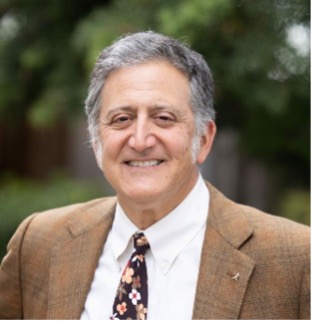
Dr. Jeffrey Klausner, MD, MPH
Clinical Professor of Medicine, Infectious Diseases, and Population and Public Health Sciences,
Keck School of Medicine of the University of Southern California
Dr. Jeffrey Klausner, MD, MPH, is a Clinical Professor of Medicine, Infectious Diseases, and Population and Public Health Sciences at the Keck School of Medicine of the University of Southern California. He is an infectious diseases physician and applied epidemiologist with more than 25 years of experience in HIV and sexually transmitted infection (STI) prevention, clinical research, and public health practice. Dr. Klausner earned his medical degree from Cornell University Medical College and a Master of Public Health in epidemiology and international health from the Harvard School of Public Health.
From 1998 to 2009, he served as Deputy Health Officer and Director of STD Prevention and Control Services at the San Francisco Department of Public Health, while also holding faculty appointments at UCSF and practicing at San Francisco General Hospital. He later led the U.S. CDC HIV and TB Branch in Pretoria, South Africa, supporting the national PEPFAR program. Before joining USC, Dr. Klausner spent a decade on the faculty at UCLA, where he led multiple NIH-funded international research collaborations. His work focuses on applied epidemiology, diagnostic testing, and practical prevention strategies for HIV, STIs, tuberculosis, and emerging infections, with an emphasis on improving access to care for underserved populations.
Supported in part through an unrestricted educational grant by:



Level of Instruction: Intermediate
Medical Laboratory Observer (MLO) is approved as a provider of continuing education programs in the clinical laboratory sciences by the ASCLS P.A.C.E. ® Program.